Advancing Future Energy Technologies With More Accurate Electrochemical Simulations

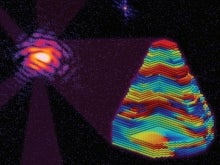
Accurate predictive simulations of the electrochemical reactions that power solar fuel generators, fuel cells, and batteries could advance these technologies through improved material design, and by preventing detrimental electrochemical processes, such as corrosion. However, electrochemical reactions are so complex that current computational tools can only model a fraction of all relevant factors at one time — with limited accuracy. This leaves researchers reliant on the trial and error of significant and expensive experimentation.

The Future of Smart Outdoor Dining Is Being Built With Upcycled Water Bottles

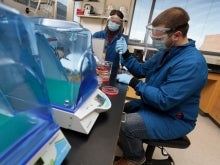
In the wake of the COVID-19 pandemic, restaurants throughout New York City and elsewhere use bespoke outdoor structures to offer safer dining experiences for their customers. However, many of these installations do not adequately protect servers, physically separate diners, provide thermal comfort, or easily disassemble if street maintenance is needed. 

Self-Built Protein Coatings Could Improve Biomedical Devices

Fouling is a natural phenomenon that describes the tendency of proteins in water to adhere to nearby surfaces. It’s what causes unwanted deposits of protein to form during some food production or on biomedical implants, causing them to fail. Researchers at Rensselaer Polytechnic Institute are harnessing this process, which is typically considered a persistent challenge, to develop a versatile and accessible approach for modifying solid surfaces.

COVID-19 Model Inspired by Gas-Phase Chemistry Predicts Disease Spread

A COVID-19 transmission model inspired by gas-phase chemistry is helping the Centers for Disease Control and Prevention (CDC) forecast COVID-19 deaths across the country.

Developed by Yunfeng Shi, an associate professor of materials science and engineering at Rensselaer Polytechnic Institute, and Jeff Ban, a professor of civil engineering at the University of Washington, the model uses fatality data collected by Johns Hopkins University and mobility data collected by Google to predict disease spread based on how much a population is moving within its community.

Prof. Palermo receives $1.2M grant from Department of Veteran Affairs

Posted October 7, 2020
With the support of a four-year $1.2 million grant from The Department of Veterans Affairs, an interdisciplinary team of engineers from Rensselaer Polytechnic Institute aims to create a polymer coating that could potentially be capable of reducing the body’s inflammatory response following the implantation of electrodes.

Biometric Data, Algorithms To Unlock Key Information About Circadian Clock

Anyone who has experienced a midafternoon energy slump or suffered from jetlag has felt the effects of their body’s circadian rhythm. This internal clock helps regulate many of our physiological processes, including sleep, metabolism, and even how the brain functions.

Researchers at Rensselaer Polytechnic Institute anticipate a future in which a combination of smart wearables and algorithms assess each person’s circadian rhythm and provide personalized feedback as to what light, sleep, and work schedule would be ideal for their particular internal clock.